
What’s VAT & do I need to register for VAT?
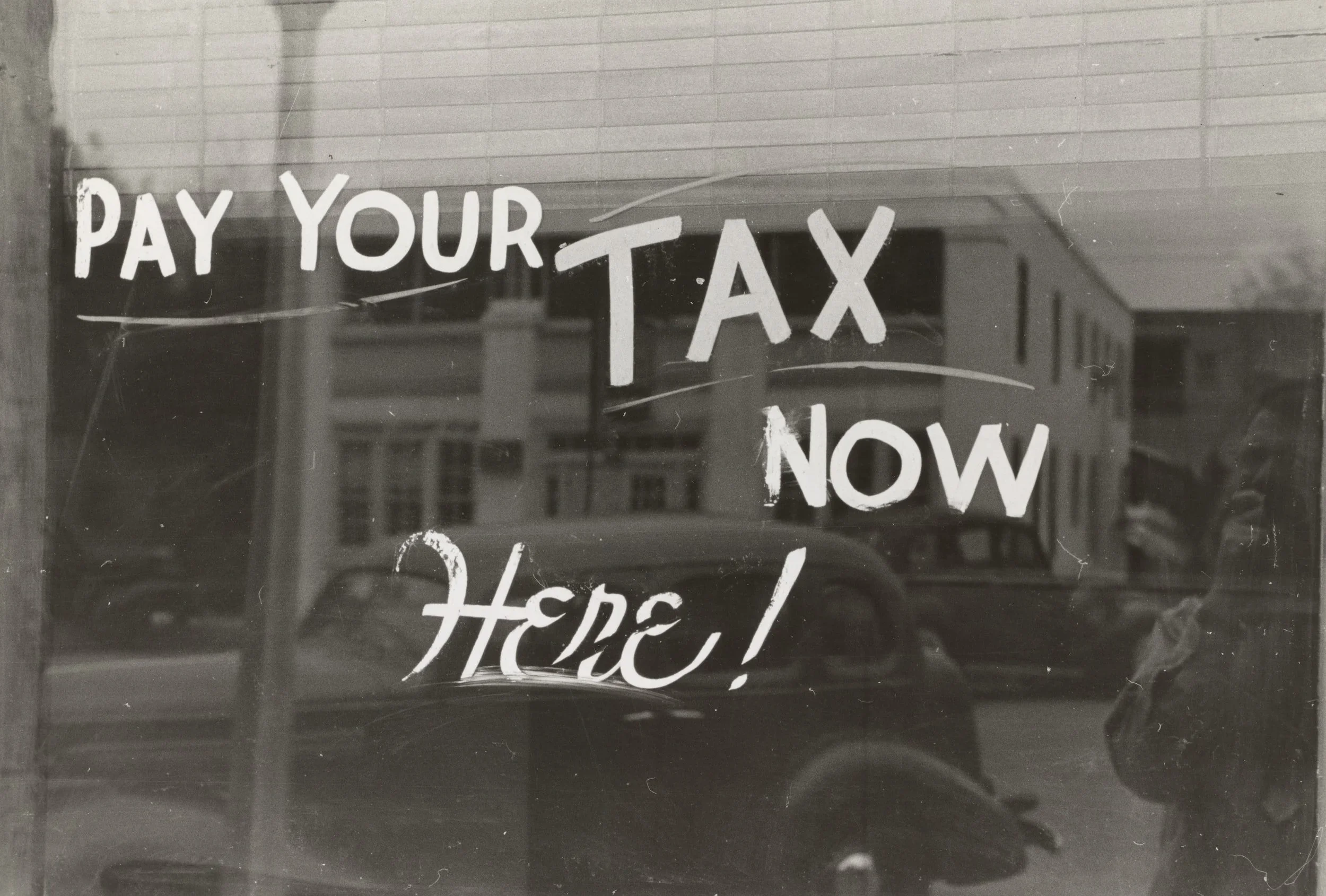
How does VAT affect your small business?
VAT (Value Added Tax) can apply to almost any type of business, whether you're a sole trader, limited company, partnership, or LLP.
Understanding when you need to register and what your responsibilities are can help you avoid unexpected costs, penalties, and unnecessary stress.
When do you need to register for VAT?
You must register for VAT with HMRC if your VAT taxable turnover exceeds £90,000 in any rolling 12-month period.
VAT taxable turnover is the total value of everything you sell that isn't exempt from VAT.
You may also need to register if you expect your turnover to exceed £90,000 in the next 30 days alone.
Voluntary VAT registration is also possible if your turnover is below the threshold, and in some cases it can benefit your business.
You can register online through HMRC using their VAT registration service.
What does being VAT registered mean?
VAT is a tax added to many goods and services sold in the UK. While some items are exempt or zero-rated, the standard rate of VAT is currently 20%.
Once you're VAT registered, you'll normally need to:
Charge VAT on eligible sales.
Collect VAT from your customers.
Reclaim VAT on qualifying business expenses.
Submit VAT returns to HMRC.
Most businesses submit VAT returns every quarter, although alternative arrangements may be available in some circumstances.
Your VAT return shows the VAT you've charged on sales minus the VAT you've paid on business purchases. The difference is either:
Paid to HMRC, or
Refunded back to your business.
Meeting all VAT filing and payment deadlines is important, as HMRC can charge penalties and interest for late submissions or payments.
Keeping Accurate Records
Good record-keeping is essential if you're VAT registered.
HMRC can carry out inspections to check that your VAT records are accurate and that you've claimed the correct amount of VAT. If records are incomplete or claims are incorrect, you could be required to repay VAT and may face penalties.
Because VAT now falls under Making Tax Digital (MTD) for most businesses, we recommend using cloud accounting software such as Xero, QuickBooks or FreeAgent.
These systems help keep records organised and allow you to submit VAT returns digitally to HMRC.
VAT Schemes for Small Businesses
Several VAT schemes are designed to simplify VAT administration and improve cash flow for eligible businesses.
These include:
Flat Rate Scheme
Cash Accounting Scheme
Annual Accounting Scheme
The right scheme depends on your business and how it operates, so it's worth seeking advice before deciding which option is best for you.
Need Help with VAT?
Whether you're registering for VAT for the first time, choosing the right VAT scheme, or need support with your ongoing VAT returns, we're here to help.
At Zest, we work with small business owners across a wide range of industries, helping them stay compliant and make sense of their numbers without the jargon.
Get in touch to see how we can help.
Important Information
This guide provides a general introduction to VAT and should not be relied upon as specific tax advice. VAT rules can be complex and will vary depending on your circumstances. For detailed guidance, visit HMRC's website or speak to a qualified accountant.